

The historical evolution of gambling A journey through time and chance
The historical evolution of gambling A journey through time and chance
The Origins of Gambling
The history of gambling can be traced back to ancient civilizations, where games of chance were often intertwined with daily life. Archaeological evidence suggests that the practice began as early as 3000 BC in places like Mesopotamia, where dice were made from bone. These early games were not just recreational; they held significant cultural and social importance, often associated with rituals and community events. As players sought new experiences, they discovered options like $10 neosurf casino australia, providing a modern twist to an ancient pastime.
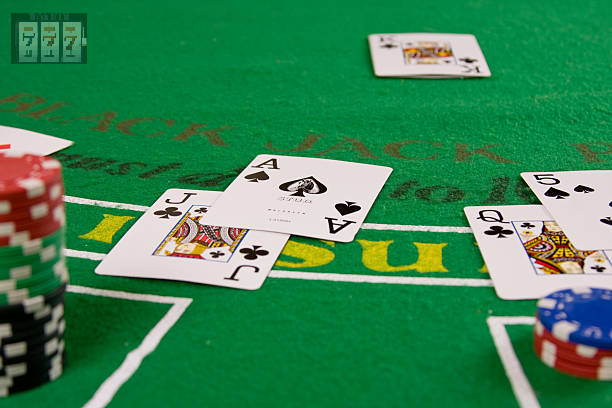
In ancient China, around 2000 BC, gambling became a significant part of the culture, with games like Keno being developed. These early forms of gambling served as a means of raising funds for government projects, such as the construction of the Great Wall. Similarly, ancient Egyptians played various games that involved betting, suggesting that the allure of risk and fortune has been a part of human nature for millennia. The connection between gambling and social activities was firmly established during these early times.
The introduction of gambling into Roman society marked another pivotal point in its evolution. Romans embraced various forms of betting, from chariot races to gladiatorial contests. The empire’s expansion facilitated the spread of gambling practices throughout Europe. As the Romans codified laws surrounding betting, they laid the groundwork for future regulations, reflecting the duality of gambling as both a source of entertainment and a potential societal issue.
The Middle Ages to the Renaissance
The Middle Ages saw a significant transformation in gambling practices, influenced heavily by the Church’s stance on morality. During this period, gambling was often condemned, and public authorities imposed restrictions on betting. However, it persisted, with various forms of gambling emerging, such as lotteries that were used to fund public works and charitable causes. Lotteries became particularly popular in the late Middle Ages, laying the groundwork for modern state lotteries.
The Renaissance brought a renewed interest in gambling, with the emergence of card games and more structured forms of gaming. It was during this time that the first known gambling houses were established in Italy. These establishments provided a formal venue for gaming and laid the foundation for modern casinos. The fascination with games of chance flourished, culminating in the development of iconic games such as baccarat and poker, which would later spread across Europe and the Americas.
This era also saw the rise of gambling as a leisure activity among the nobility and wealthy classes. Gambling became a symbol of status, with lavish games held in the courts of kings. The historical evolution of gambling during the Renaissance was marked by both the acceptance and regulation of gaming, reflecting society’s ongoing struggle to balance enjoyment with moral considerations.
The Birth of Modern Gambling
The 18th and 19th centuries marked the dawn of modern gambling, characterized by the establishment of formal casinos and organized betting practices. In 1638, the first official casino opened in Venice, Italy, attracting both locals and travelers seeking entertainment. This development set the stage for the proliferation of casinos across Europe, each offering a variety of games and betting options, including roulette, which became a centerpiece of many establishments.
In the United States, the gambling landscape shifted significantly during the 19th century. The Gold Rush attracted thousands to the West, bringing with it a culture of gambling. Saloon owners and miners engaged in poker and other games, fostering a frontier spirit of risk-taking. This era also saw the establishment of horse racing tracks, which became the centerpiece of betting culture in America and the precursor to modern sports betting.
The growth of gambling during this period was not without controversy. Governments began to recognize the potential economic benefits of regulated gambling, leading to the legalization of various forms of betting. By the end of the 19th century, gambling was increasingly viewed as a legitimate form of entertainment, paving the way for the establishment of laws that would shape the future of gambling in the 20th century.
The 20th Century and the Online Revolution
The 20th century brought about profound changes in the gambling landscape, particularly with the advent of technology. The introduction of slot machines in the early 1900s revolutionized the casino experience, attracting a new generation of players. Las Vegas emerged as the gambling capital of the world, with lavish resorts and casinos offering an unparalleled gaming experience. This era signified a shift from informal gambling to a structured, regulated industry that catered to millions.
The introduction of the Internet in the late 20th century marked a seismic shift in how gambling was conducted. Online casinos began to emerge, allowing players to enjoy their favorite games from the comfort of their homes. This newfound accessibility revolutionized the gambling industry, leading to a global online gambling market that reached unprecedented heights. The rise of mobile technology further expanded the reach of online gambling, enabling players to bet on-the-go.
However, this rapid evolution also raised significant concerns regarding regulation, addiction, and fairness. Governments worldwide grappled with how to effectively regulate online gambling while ensuring consumer protection. The 21st century witnessed the establishment of various licensing bodies and regulations aimed at promoting responsible gaming practices, emphasizing the need for balance as gambling evolved into a digital phenomenon.

The Future of Gambling
As we look toward the future, the evolution of gambling continues to be shaped by technological advancements and changing societal attitudes. Virtual reality and augmented reality technologies are poised to transform the gaming experience, creating immersive environments that blur the lines between the physical and digital realms. These innovations are likely to enhance player engagement and create unique experiences that were previously unimaginable.
Furthermore, the integration of artificial intelligence in gaming operations is anticipated to optimize user experiences, streamline operations, and promote responsible gambling. As the industry continues to adapt to technological changes, it will also face increased scrutiny regarding ethical practices and consumer protection. The future will likely involve a balance between innovation and regulation, ensuring a safe gambling environment for players.
Today, various platforms cater to diverse gambling preferences, from traditional casinos to online betting sites. The evolution of gambling reflects humanity’s enduring fascination with chance, luck, and risk, continually adapting to societal changes. The historical journey of gambling demonstrates its resilience and relevance, suggesting that as long as there is a desire for chance, gambling will endure.